Heating Oil Prices Winter 2026: Governors Seek $3 Billion More Heating Aid
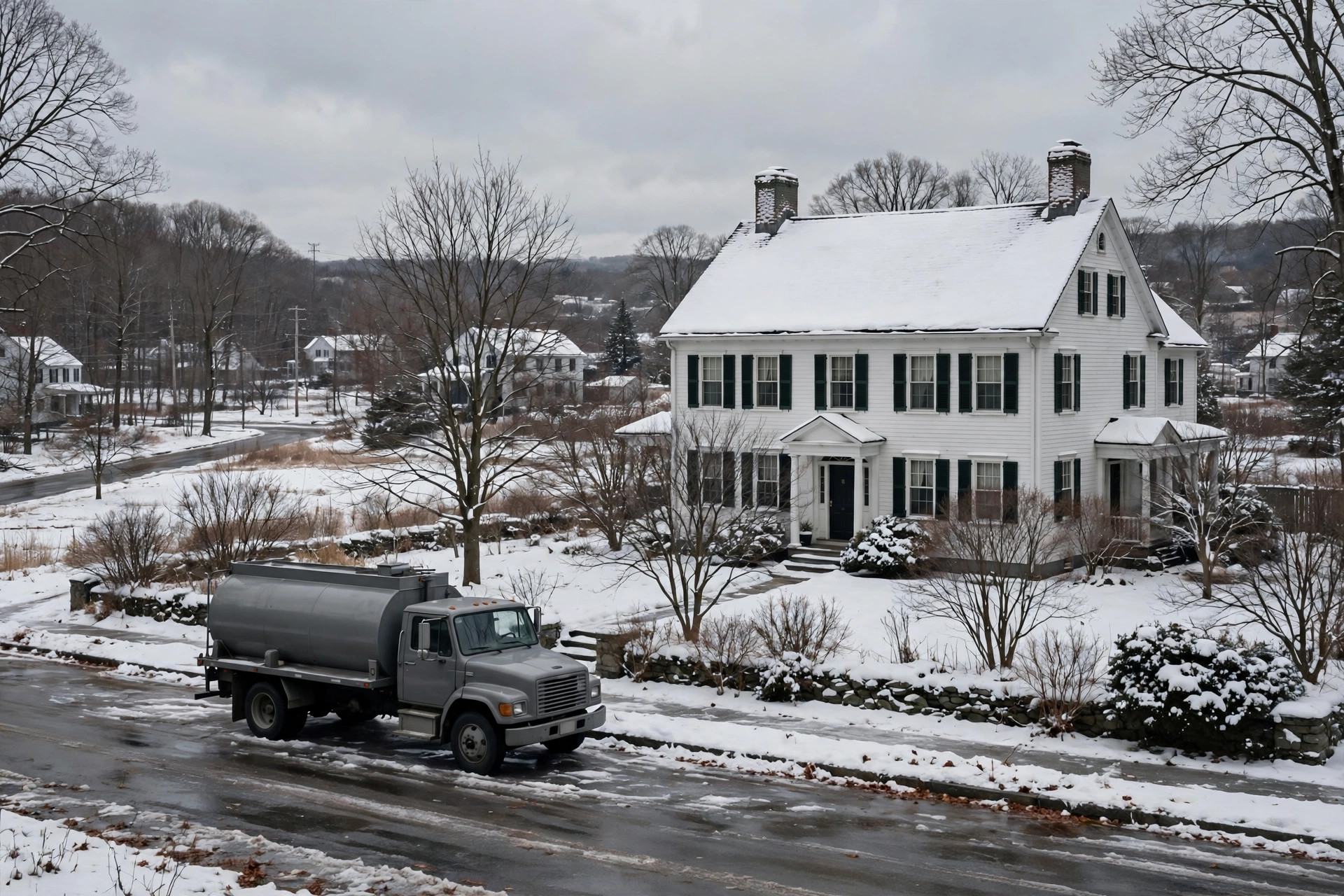
Heating oil prices winter 2026 have climbed to levels that are forcing a political fight over heating aid. On 9 November 2026, the governors of all six New England states wrote jointly to congressional appropriations leaders asking for an additional 3 billion dollars for the Low-Income Home Energy Assistance Program, known as LIHEAP, to bring total program funding to 7 billion dollars. The letter says that at current funding levels, rising energy prices will erode the purchasing power of LIHEAP assistance, forcing states to reduce benefits or serve fewer eligible households when need is greatest.
The six signatories are Ned Lamont of Connecticut, Maura Healey of Massachusetts, Dan McKee of Rhode Island, Janet Mills of Maine, Kelly Ayotte of New Hampshire and Phil Scott of Vermont. They wrote to Chairman Cole, Ranking Member DeLauro, Chair Collins and Vice Chair Murray, asking for the money either through a larger annual appropriation or a one-time emergency supplemental, and asking Congress to act as soon as possible. Their letter cites the National Energy Assistance Directors Association, or NEADA, for two figures: heating oil prices are projected to increase by approximately 50 percent this winter, and low-income households across the Northeast could face nearly 1.1 billion dollars in additional heating oil costs alone.
Heating oil prices winter 2026: what oil costs right now
For the week of 2 November 2026, the US average residential heating oil price was 6.138 dollars per gallon, according to the US Energy Information Administration, or EIA. That was down 0.092 dollars from the week before, but up 2.506 dollars from a year earlier, about 69 percent higher year on year.
Regionally, EIA puts residential heating oil at 6.073 dollars per gallon in New England, 6.176 dollars in Massachusetts, 5.984 dollars in Maine and 6.205 dollars in Rhode Island for the same week. The Massachusetts Department of Energy Resources weekly survey put the average retail heating oil price at 5.94 dollars per gallon for the week of 9 November 2026, against 6.17 dollars the previous week and 3.74 dollars a year earlier, a 59 percent increase from last year.
Maine set a record. The Maine Department of Energy Resources weekly survey put the statewide average heating oil price at a record 6.04 dollars per gallon on 19 October 2026, up 83 percent from a year earlier, topping the previous record of 6.02 dollars set in September 2026. Based on a standard 275-gallon tank, Maine residents are estimated to pay approximately 750 dollars more to fill a tank than one year ago. That matters more in Maine than anywhere else: the Maine governor's office states that Maine is the most heating oil-dependent state in the nation, with approximately half of all homes relying on oil as their primary heating source.
The Warren letter: an October warning, now part of the November fight
The governors' letter is the fresh news, but it is not the first warning. On 5 October 2026, Senator Elizabeth Warren and Representatives Stephen Lynch and Lori Trahan wrote to Energy Secretary Chris Wright demanding relief for winter heating bills. The letter is five weeks old and should not be presented as a November development.
The lawmakers write that American families that rely on heating oil are projected to pay about 600 dollars more to keep their homes warm this winter than last year. That figure is the lawmakers' projection, citing NEADA's 14 September 2026 winter heating report, not an EIA figure. The letter's own cited range is bills rising from 1,740 dollars to around 2,300 dollars, a difference of 560 dollars, so "about 600 dollars" is the lawmakers' rounded wording. The letter also states that the price of heating oil is around 60 percent higher than before the Iran war, and that before the war crude was trading at 72 dollars a barrel and has since jumped to more than 100 dollars a barrel.
On causation, the letter states: "The President's war in Iran has played a large part in driving up the price of heating oil. The closure of the Strait of Hormuz has disrupted global trade in crude oil and impacted global supplies of heating oil and diesel." That is the lawmakers' stated position, not an independently established fact.
Other sources attribute the rise differently. EIA attributes it to increasing global crude oil and distillate prices, reduced global refining activity and low US distillate stocks, with warmer forecast temperatures in the Northeast partly offsetting the rise. NEADA blames the wars in Iran and Ukraine disrupting petroleum markets. These are three distinct attributions, from the lawmakers, from EIA and from NEADA, and they should not be merged into one explanation.
The letter also states the administration has attempted to eliminate the 4 billion dollar Low-Income Heating Assistance Program, LIHEAP, the lawmakers' characterization of the administration's proposal, and that it cut more than 20 billion dollars in clean energy and grid modernization funding after eliminating four tax credits and deductions for building energy efficiency upgrades. The letter urges the Energy Secretary to end the war, unblock Department of Energy programs that help families lower energy bills, reverse the clean energy cuts, work with Congress to repeal the efficiency tax increases, and end the attacks on LIHEAP. The letter states that around one-third of New England homes rely on heating oil to heat their homes, and in some states around half do.
The two forecasts behind the numbers
The EIA forecast, covered in full in our winter heating bills 2026-27 guide, is the calmer of the two. The EIA Winter Fuels Outlook, published 6 October 2026, forecasts that households heating mainly with oil will spend 2,115 dollars on average from November through March, up 21 percent from last winter, at an average heating oil price of 5.26 dollars a gallon, up 34 percent, while using 402 gallons, down 9 percent.
NEADA's forecast is steeper. NEADA puts the average cost of heating a home with oil at about 2,627 dollars this winter, up about 878 dollars from about 1,749 dollars last winter, about 50 percent higher. Families in New England could spend about 1,000 dollars more than last winter, with a New England average of 2,849 dollars. NEADA estimates low-income families in the Northeast will spend about an additional 1.1 billion dollars on heating oil this winter, and all households in the region could pay about 3.8 billion dollars more. About 82 percent of the nation's heating oil is used in the Northeast, according to NEADA. NEADA had already made the same 3 billion dollar ask before the governors did.
What the federal government has done so far
The one concrete federal step so far is a release from the heating oil reserve. On 21 October 2026 the US Department of Energy announced a request for proposals for an exchange of up to 315,000 barrels of ultra-low sulfur distillate from the Northeast Home Heating Oil Reserve, from storage sites in South Portland in Maine, Boston in Massachusetts and New Haven in Connecticut, with fuel transfers or deliveries scheduled to be completed by 13 November 2026. Borrowing companies must return the same volume plus a premium, so the reserve is refilled ahead of the 2027-28 heating season.
One more change limits what households can do to cut their own bills. The federal Energy Efficient Home Improvement Credit under section 25C will not be allowed for any property placed in service after 31 December 2025, under the One, Big, Beautiful Bill Act, Public Law 119-21, according to IRS Fact Sheet FS-2025-05.
What it means for oil-heated homes
Whether the winter bill lands near EIA's 2,115 dollars or NEADA's 2,627 dollars, oil-heated households are facing a bill hundreds of dollars higher than last winter, with the increase concentrated in the Northeast and worst in New England. The governors' letter frames the stakes in terms of the aid system itself: without more funding, states will have to reduce benefits or serve fewer eligible households, exactly when need is greatest.
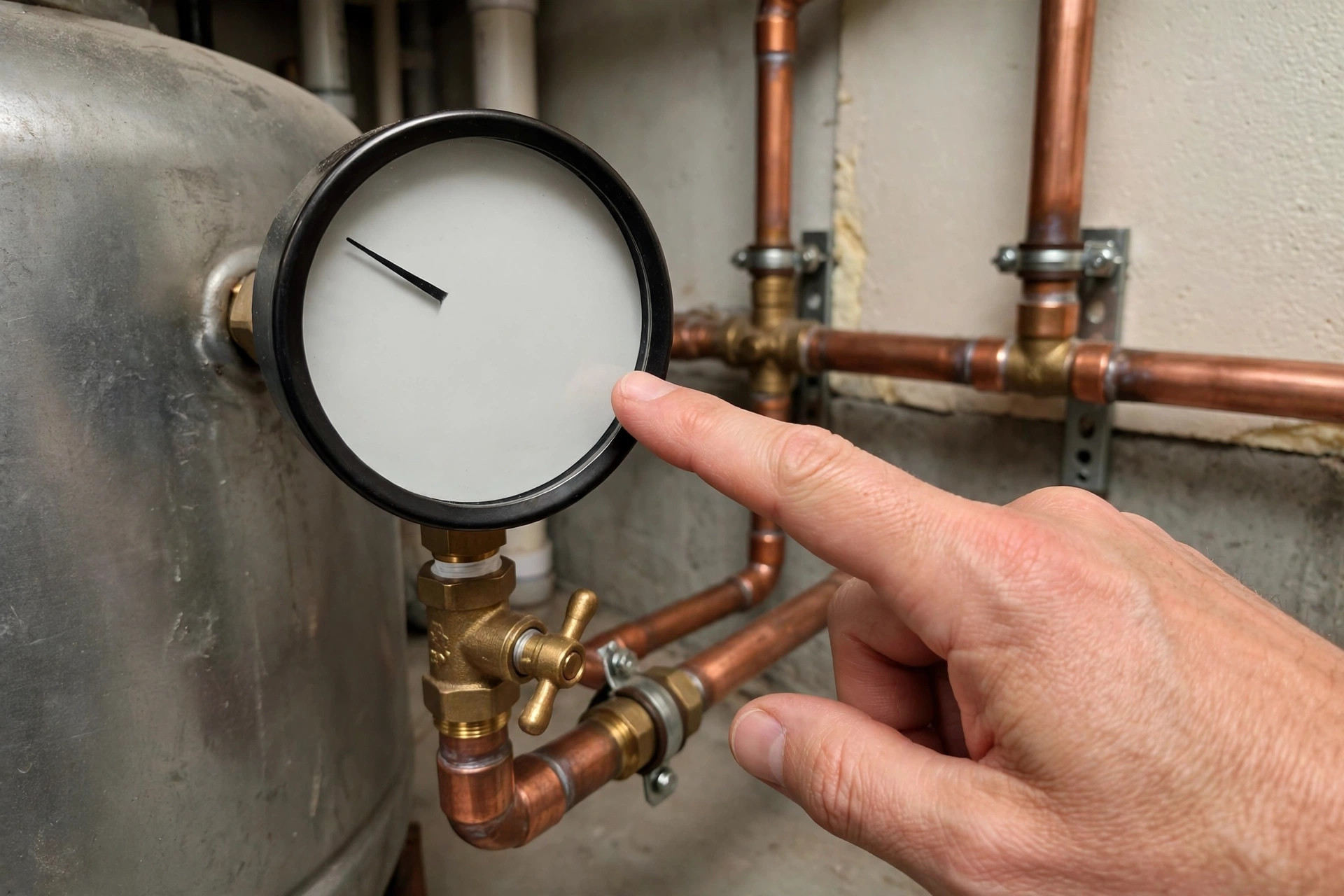
For households, the practical steps have not changed, even if the politics have. Fill the tank before the coldest weeks if you can, and check the gauge rather than guessing. A smart thermostat with a setback schedule can cut usage without a cold house, renter-friendly draft fixes such as window film and thermal curtains help if you cannot change the heating system, and our November home maintenance checklist covers the freeze-proofing and heating checks to do before the cold settles in.
What to watch next is the funding question. The governors asked Congress to act as soon as possible, through either a larger annual appropriation or a one-time emergency supplemental, and the reserve exchange deliveries are scheduled to be completed by 13 November 2026.

Frequently Asked Questions
How much are governors asking Congress for in heating aid?
An additional 3 billion dollars for LIHEAP, to bring total program funding to 7 billion dollars. The governors of all six New England states made the request in a joint letter dated 9 November 2026, asking Congress to act as soon as possible.
How much does heating oil cost now?
For the week of 2 November 2026, the US average residential heating oil price was 6.138 dollars per gallon, according to EIA, up 2.506 dollars from a year earlier, about 69 percent higher year on year. In New England it was 6.073 dollars per gallon, and in Massachusetts the state survey put the average retail price at 5.94 dollars per gallon for the week of 9 November 2026.
How much more will oil-heated homes pay this winter?
The forecasts differ. EIA forecasts oil-heated households will spend 2,115 dollars on average from November through March, up 21 percent from last winter. NEADA estimates the average cost at about 2,627 dollars, up about 878 dollars from about 1,749 dollars last winter. The Warren letter says families relying on heating oil are projected to pay about 600 dollars more this winter, which is the lawmakers' projection citing NEADA, not an EIA figure.
Why have heating oil prices risen so much?
The explanations differ by source. EIA points to increasing global crude oil and distillate prices, reduced global refining activity and low US distillate stocks. NEADA points to the wars in Iran and Ukraine disrupting petroleum markets. The Warren letter argues the war in Iran and the closure of the Strait of Hormuz played a large part. That causation is the lawmakers' stated position, not an independently established fact.
What is LIHEAP?
The Low-Income Home Energy Assistance Program, a federal program that helps eligible low-income households pay heating and cooling costs. The governors' letter says that at current funding levels, rising energy prices will erode the purchasing power of LIHEAP assistance, forcing states to reduce benefits or serve fewer eligible households.
Has the government released heating oil from the reserve?
Yes. On 21 October 2026 the US Department of Energy announced an exchange of up to 315,000 barrels from the Northeast Home Heating Oil Reserve, from storage sites in South Portland, Boston and New Haven, with deliveries scheduled to be completed by 13 November 2026. Borrowing companies must return the same volume plus a premium.
Sources: Office of Governor Janet T. Mills, maine.gov, governors' joint letter release, 9 November 2026; warren.senate.gov, letter to Energy Secretary Chris Wright, 5 October 2026, and accompanying press release; eia.gov, Heating Oil and Propane Update, week of 2 November 2026; eia.gov, Winter Fuels Outlook 2026-27, published 6 October 2026; neada.org, NEADA press release, embargoed to 28 September 2026; mass.gov, Massachusetts Home Heating Fuels Prices; Maine Department of Energy Resources press release on the 19 October 2026 record price; energy.gov, Northeast Home Heating Oil Reserve exchange announcement, 21 October 2026; IRS Fact Sheet FS-2025-05. Checked against the issuing organisations' own pages on 10 November 2026.