Winter Heating Bills 2026-27: What the EIA Forecasts for Gas, Electricity, Propane and Heating Oil
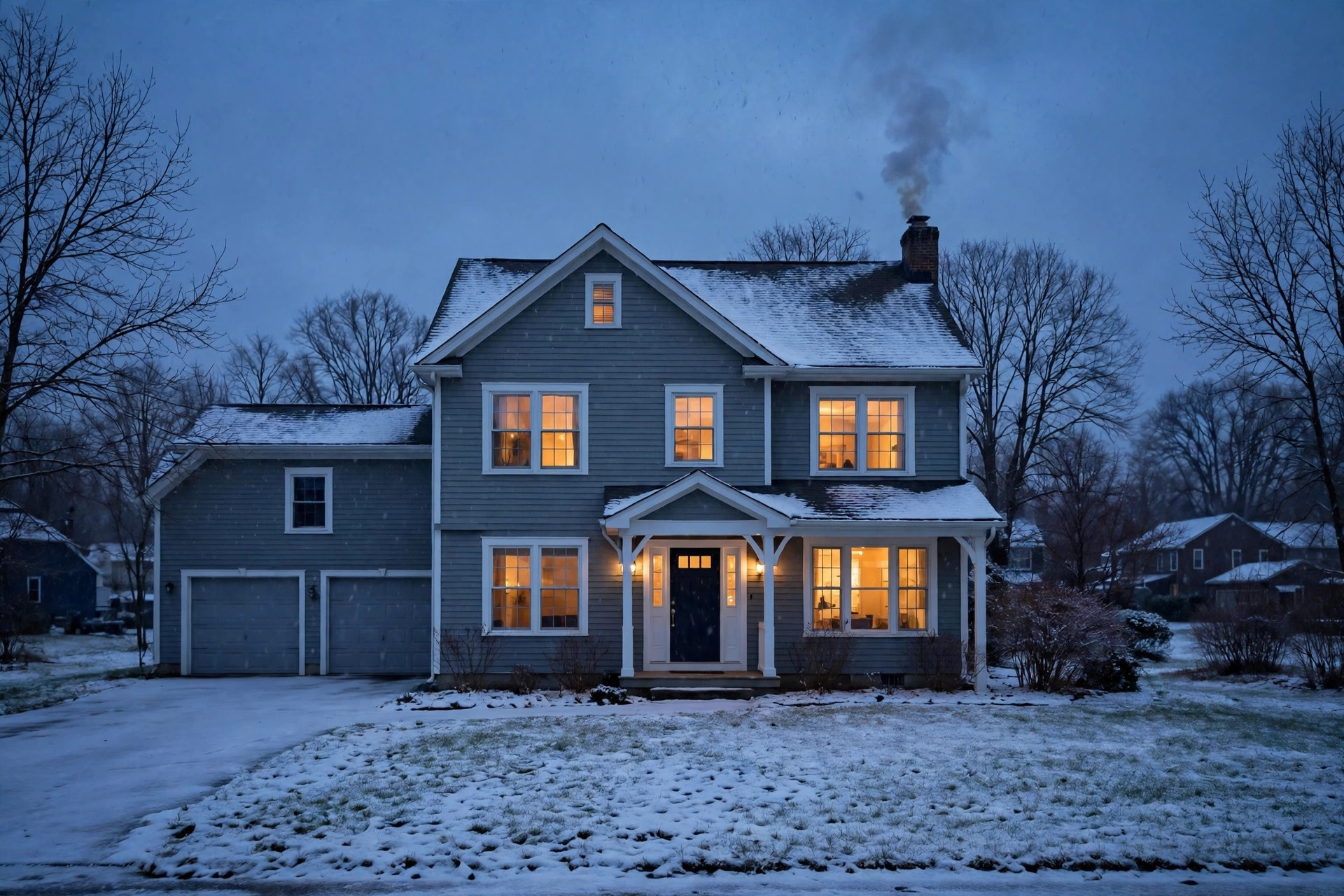
The US Energy Information Administration has published its Winter Fuels Outlook for 2026-27, and the headline is a split winter. Households that heat mainly with natural gas or propane are forecast to spend less than last winter. Households that heat mainly with electricity or heating oil are forecast to spend more.
The figures cover November through March and are forecasts, not bills already received. Published 6 October 2026, the EIA updates them through the winter.
The headline numbers
The forecast average household expenditure for November through March, on a US average basis, is $640 for natural gas, down 9 percent on last winter; $1,196 for electricity, up 4 percent; $1,246 for propane, down 3 percent; and $2,115 for heating oil, up 21 percent. All figures are in nominal dollars.
Natural gas and propane users, who together make up about half of all US households, are forecast to spend less this winter, mainly because of lower fuel costs. Electricity and heating oil users are forecast to spend more because of higher prices.
More than 40 percent of homes heat mainly with electricity. The EIA says these averages are best read as a broad guide to comparing this winter with last winter, not as a prediction for a specific home.
Heating oil: the outlier, up 21 percent
Heating oil is the largest forecast increase, up 21 percent on last winter, driven by rising global crude oil and distillate prices. Heating oil users are about 3 percent of US households, and the fuel is used for residential heating mostly in the Northeast. The EIA gives no regional breakdown, only the US average of $2,115.
The bill rises less than the price. The forecast average price is $5.26 per gallon, up 34 percent, but households are forecast to use about 9 percent less fuel, 402 gallons for the winter.
Forecast average prices for the other fuels are $13.44 per thousand cubic feet for natural gas, down 9 percent; 18.23 cents per kilowatthour for residential electricity, up 3 percent; and $2.52 per gallon for propane, down 2 percent. Forecast consumption is flat for natural gas, up 1 percent for electricity and down 1 percent for propane.
What these figures actually cover
The figures cover all end uses of the household's main heating fuel in the winter months, not space heating alone. For a natural gas household, the $640 includes gas used for water heating, cooking and clothes drying. The electricity figure is the whole winter electricity bill for an electrically heated home, including lights, appliances and everything else on the meter, not just heating.
The EIA warns against reading the table as a shopping list: differences in the housing populations complicate direct comparisons across fuels, and readers should not assume switching to another fuel with lower expenditures would necessarily lower their own bill.
The Midwest: the regional anchor
In the Midwest, the forecast average for November through March is $613 for natural gas, down 10 percent; $1,380 for electricity, up 3 percent; and $1,305 for propane, down 4 percent.
January is the peak month across all three fuels. Midwest monthly natural gas is forecast at $104 in November, $130 in December, $141 in January, $128 in February and $110 in March. Monthly electricity peaks at $311 in January, and monthly propane at $319.
For natural gas elsewhere, the Northeast is forecast at $879, down 14 percent, the South at $511, down 15 percent, and the West at $590, up 7 percent, the only rise. For electricity, the Northeast is $1,637, down 3 percent, the South $1,079, up 3 percent, and the West $1,151, up 9 percent, the largest increase. For propane, the Northeast is $1,687, down 15 percent, and the South $1,164, unchanged.
Weather: similar nationally, with a strong El Nino caveat
The EIA assumes national average temperatures will be similar to last winter, with warmer temperatures in the Northeast, much colder temperatures in the West, and temperatures in the Midwest and South similar to last year.
One caveat: NOAA has identified a strong El Nino pattern this winter, which the EIA says could lead to large temperature variations from its forecast. The EIA will revise these figures through the winter.
The thermostat setback: as much as 10 percent a year
The cheapest lever is the thermostat. The US Department of Energy says you can save as much as 10 percent a year on heating and cooling by turning your thermostat back 7 to 10 degrees F for 8 hours a day from its normal setting. As much as 10 percent is a ceiling, not a guarantee, and it covers heating and cooling together over a year, not the winter heating bill alone.
In winter, the DOE recommends around 68 to 70 degrees F while awake, and lower while asleep or away.
One exception: programmable thermostats are generally not recommended for heat pumps in heating mode, because setback can make the unit operate inefficiently and cancel out the savings. Our guide to smart thermostat winter settings covers schedules and away modes.
Air sealing and insulation: the bigger, slower win
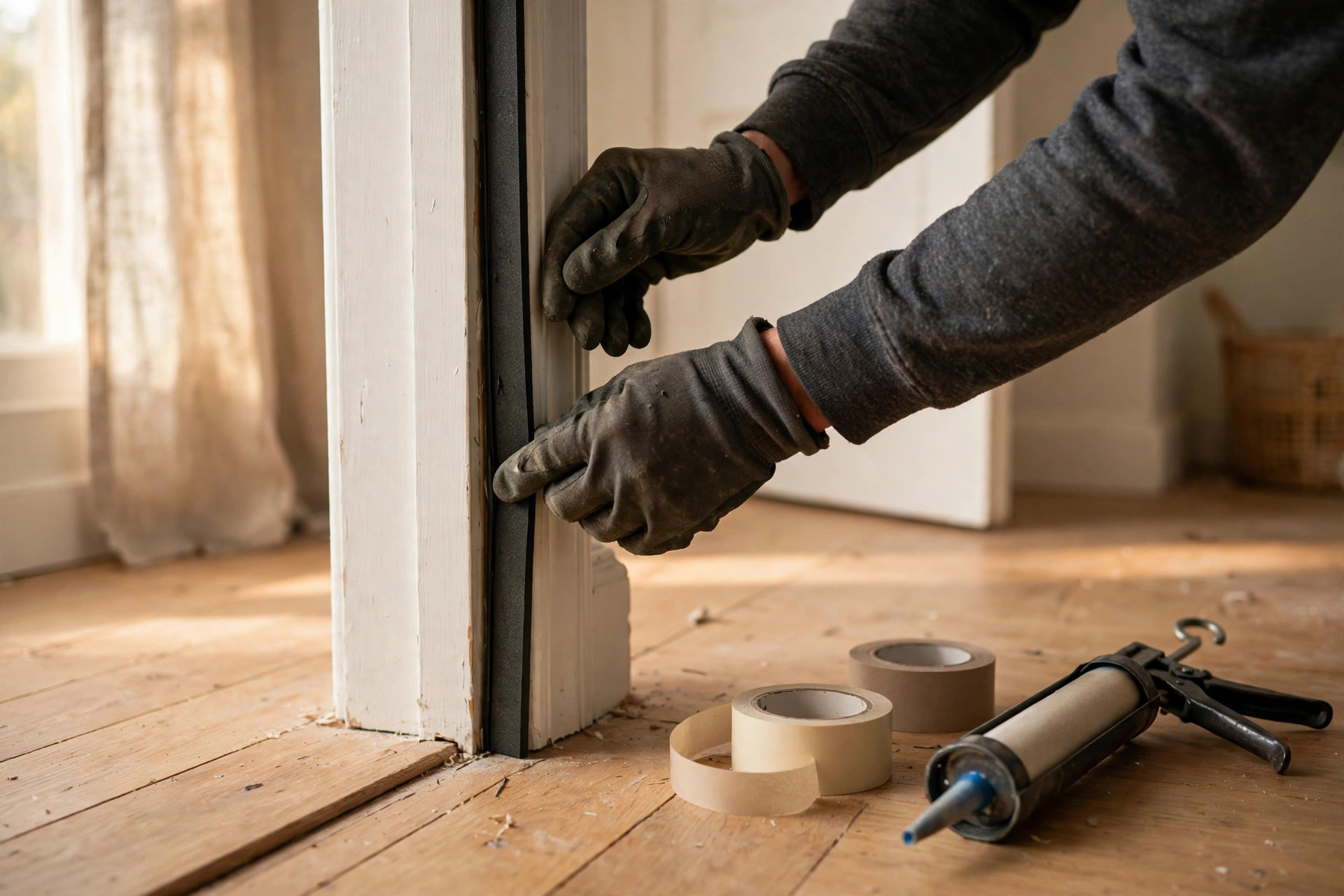
For a longer-term cut, the EPA estimates homeowners can save an average of 15 percent on heating and cooling costs, or an average of 11 percent on total energy costs, by air sealing their homes and adding insulation in attics, floors over crawl spaces and basements. The figure is published on the ENERGY STAR site, a joint program of the EPA and the Department of Energy.
The 15 percent figure is an average for heating and cooling costs only, not the total energy bill, and it is for the combined air sealing plus insulation package, not attic insulation alone. ENERGY STAR reports that 9 out of 10 homes in the US are under-insulated, and tackling both together can save up to 10 percent on annual energy bills.
Furnace tune-up costs
A furnace tune-up before the cold sets in is the standard winter prep job, but what it costs depends on whose price you read. The Center for Energy and Environment, a nonprofit energy organisation, puts an average furnace tune-up at $75 to $200, and notes your utility may offer rebates, and that any repairs needed will likely come at an added cost.
HomeServe, in a September 2026 release, states a professional furnace tune-up costs between $150 and $300 on average. That conflicts with the lower ranges, so there is no single settled national price. Our furnace tune-up cost guide breaks down what a standard visit includes.
Frequently Asked Questions
How much is the average household forecast to spend on heating this winter?
It depends on the main heating fuel. For November through March, the EIA forecasts $640 for natural gas, down 9 percent; $1,196 for electricity, up 4 percent; $1,246 for propane, down 3 percent; and $2,115 for heating oil, up 21 percent.
Why is the heating oil bill up 21 percent when the price is up 34 percent?
Because households are forecast to use less fuel. The price is forecast at $5.26 per gallon, up 34 percent, but consumption is forecast down 9 percent, to 402 gallons for the winter, helped by warmer forecast temperatures in the Northeast.
Does the $1,196 electricity figure cover just heating?
No. It is the whole winter electricity bill for an electrically heated home, including lights, appliances and everything else on the meter.
Will switching to a cheaper fuel save me money?
Not necessarily. The EIA says readers should not assume switching to another fuel with lower expenditures would necessarily lower their own bill.
How much can turning down the thermostat save?
As much as 10 percent a year on heating and cooling, per the Department of Energy, by turning the thermostat back 7 to 10 degrees F for 8 hours a day. That is a ceiling, not a guarantee, and heat pumps are the exception.
How much can air sealing and insulation save?
The EPA estimates an average of 15 percent on heating and cooling costs, or 11 percent on total energy costs, from air sealing plus insulation in attics, floors over crawl spaces and basements.
Sources: US Energy Information Administration, Winter Fuels Outlook 2026-27, 6 October 2026; US Department of Energy, Energy Saver, Programmable Thermostats; ENERGY STAR, Why Seal and Insulate; Center for Energy and Environment, Heating system tune-up; HomeServe, September 2026. Checked against the issuing organisations' own pages on 7 November 2026.